About Us

-
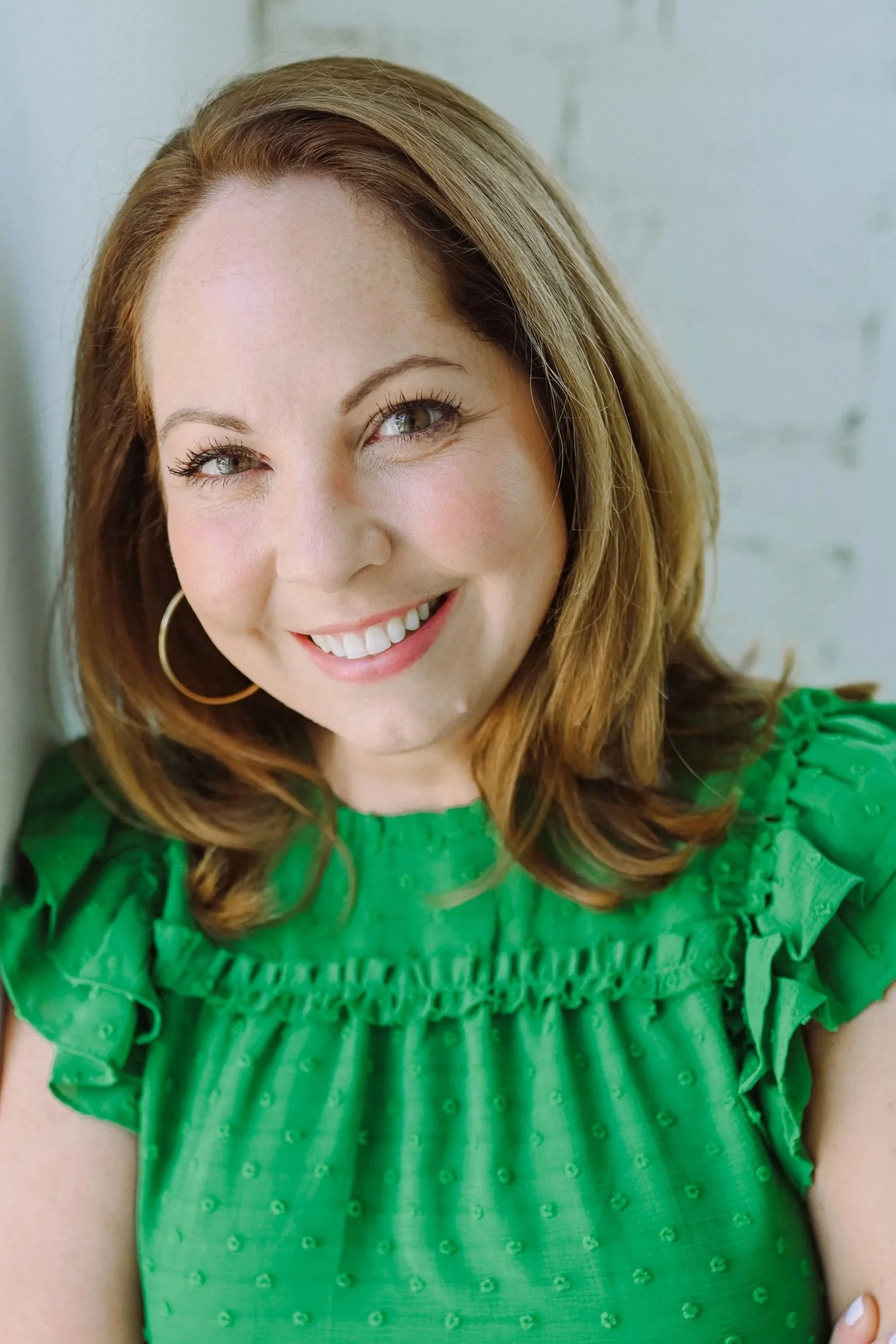
With more than 20 years of experience and passion for making a difference, I have worked with individuals from preschool through adult in both public school and private practice settings. I specialize in comprehensive psychological assessment and evidence-based services that address cognitive processing, learning, attention, executive functioning, social-emotional development, and behavior. My background includes working with individuals from diverse economic, cultural, and ethnic backgrounds, as well as youth who identify as LGBTQ+ or transgender.
My previous private practice experience included psychological testing and solution-focused and cognitive behavioral therapy to children and teens throughout the central Ohio area. My primary public school experiences have included working for one of Ohio’s highest-achieving school districts, at the elementary, middle, and high school levels.
I graduated with a Master’s degree and Education Specialist degree (Certificate of Advanced Graduate Study) from a top-ranked school psychology program, Duquesne University, in Pittsburgh, PA.
I hold an independent school psychologist license through the Ohio Board of Psychology (license #SP570) and the Nationally Certified School Psychologist (NCSP) credential.
Outside of the office, I love to travel and explore new cultural experiences. I enjoy spending time with friends and family, cooking, reading, taking yoga and barre classes, and trying to keep up with my 13-year-old daughter!
Professional Memberships:
National Association of School Psychologists (NASP)
Ohio School Psychologists Association (OSPA)
Ohio Psychological Association
American Psychological Association (APA)
American Academy of Pediatric Neuropsychology (AAPdN)
-
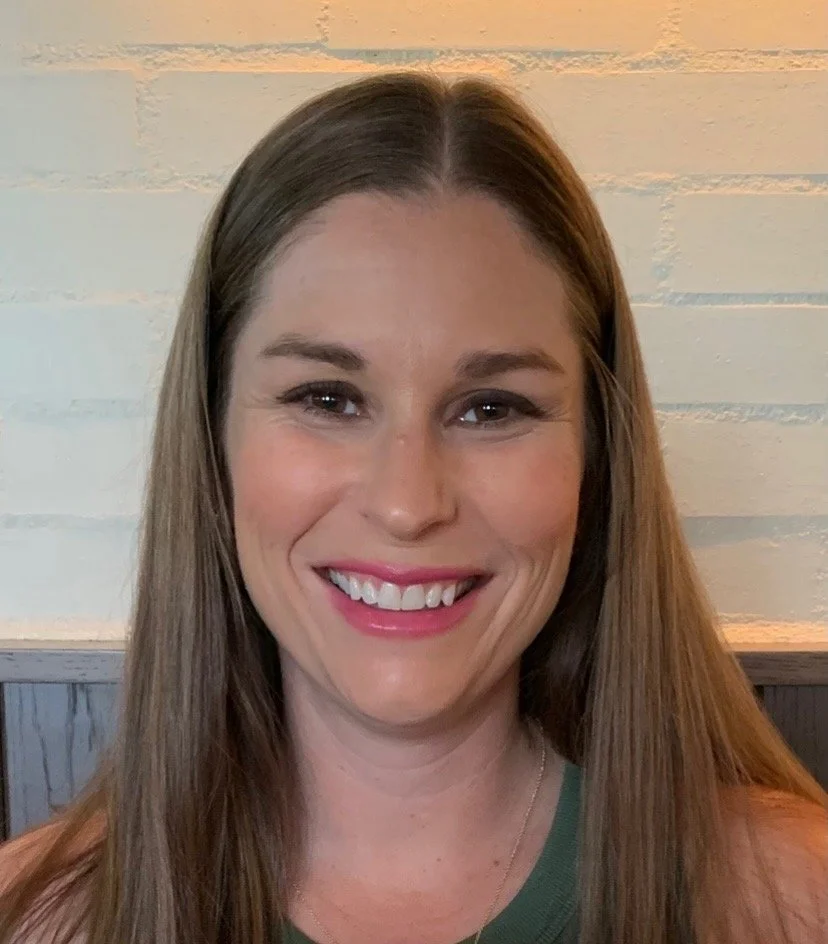
With 12 years of experience as a dually licensed clinical and school psychologist, I am committed to providing comprehensive, practical, and compassionate support to children, adolescents, and their families. I have worked across early childhood through young adulthood in both clinical and school settings, giving me a strong understanding of how students learn, grow, and navigate challenges in real-world environments.
I specialize in the diagnosis of autism, ADHD, learning disorders, and co-occurring mental health concerns. My dual training allows me to bridge clinical expertise with the realities of school-based practice, ensuring that my recommendations are evidence-based, meaningful, and feasible for educators and families. I am passionate about helping individuals understand their strengths and needs while offering clear, actionable guidance that supports success at home, in school, and in the community.
I earned my MS.Ed. in Learning and Developmental Sciences and Ph.D. in School Psychology from Indiana University. I also teach graduate coursework at Utah State University and enjoy mentoring future psychologists.
Outside of the office, I love spending time with my husband and our two boys, cheering them on at soccer, basketball, and baseball games. Our two mini goldendoodles add even more fun and energy to our home, and I love playing with them and getting outside as a family whenever we can.
-
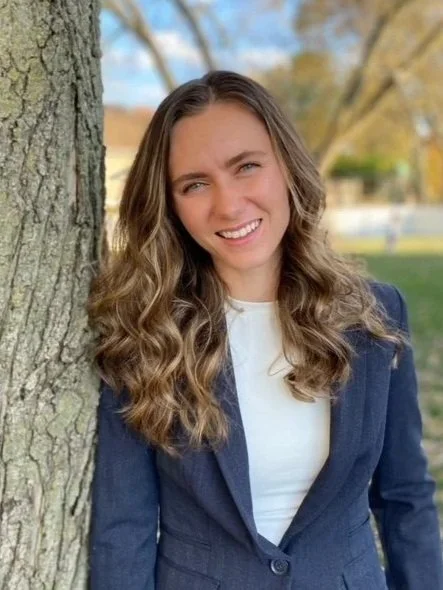
I’m a dedicated School Psychologist passionate about empowering students across all developmental stages to reach their potential.
I earned my PhD in Educational Studies, School Psychology from The Ohio State University, where I focused my dissertation on Social Emotional Learning Curriculums to Support Inclusive Education and Low-Income Students. My journey has taken me through both urban and suburban districts, working with preschoolers to high schoolers, and I find deep purpose in supporting students’ academic, social-emotional, and behavioral growth.
With specialized training in behavior analysis, structured literacy interventions, and dyslexia support, I believe that a comprehensive and collaborative evaluation process is key to helping students thrive.
Beyond direct service and evaluation, I have contributed to research on competency standards in cognitive assessment and have presented at professional forums to help shape the next generation of school psychologists.
I am always eager to connect and collaborate with professionals who are committed to fostering inclusive environments and supporting their students’ growth, while also partnering with families to promote their child’s well-being and development.
When I’m not supporting students and families, you’ll likely find me spending time with my own family and exploring new places, from weekend road trips to cross-country flights and overseas adventures. I love hiking in our beautiful national parks and can't resist a quiet spot with a mountain view, a warm cup of coffee, and a good book.
I believe in seeking out joy and connection in everyday moments, whether I am on a mountain trail, working on a puzzle or building Legos with my kids, or discovering a new local coffee shop. I also love experiencing Disney adventures with my kids and seeing the magic through their eyes. If you have a favorite book, a cozy coffee spot, or a national park trail you love, I would love to hear about it!
*Note: Dr. Lee is currently under the supervision of Jennifer Jury, MS.Ed., CAGS, NCSP, Practice Owner.
-
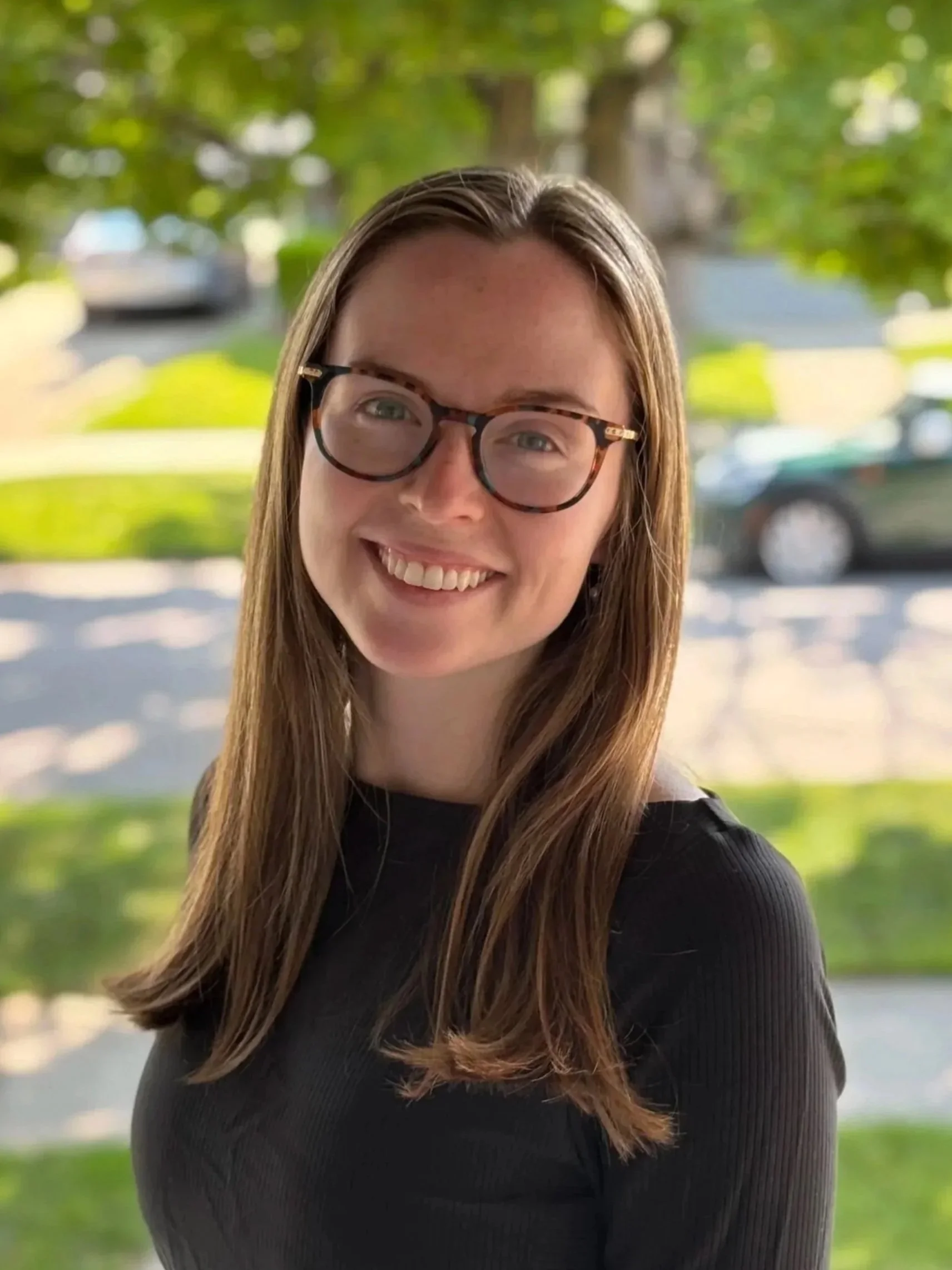
Rose is currently working as a full time school psychologist, primarily serving students at an elementary school just outside of Cleveland, Ohio. She earned her Masters and Specialist degrees from Cleveland State University. She previously worked with students on the Autism spectrum, and has extensive experience supporting students with behavioral needs. Rose's exceptional communication skills and attention to detail allow for an effortless evaluation process at Acadia. Using her strong organizational skills, Rose works efficiently to collect pivotal information from parents and teachers, which greatly impacts the quality of the evaluation. Rose is a problem solver and collaborator who is available as an additional resource to clients. In her free time, she enjoys spending time on Lake Erie, doing pilates, and frequenting all of Cleveland's local coffee shops.
-
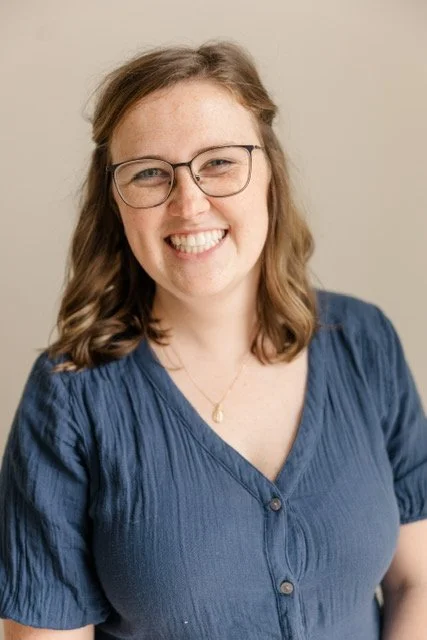
Alison is a dedicated pediatric speech-language pathologist who is passionate about helping kids and teens find their voice with confidence. Alison offers evidenced-based individual therapy to address articulation, social skills, language, and fluency challenges. Additionally, she also supports parents through coaching and consulting to help them navigate education, healthcare, and social opportunities for their child. Alison is a provider for the Jon Peterson Special Needs Scholarship and Autism Scholarship.
What Makes Our Practice Different?
With extensive experience in both private practice and educational settings, we bring a unique skill set to deliver the most comprehensive and holistic care possible. Our team has specialized training in evaluating learning disorders, neurodevelopmental disorders, intellectual disabilities, speech and language, and common mental health conditions, including anxiety, and depression. As experts in assessment and data analysis, we also possess deep knowledge of school processes and special education law, equipping us to guide clients through both academic and community landscapes. Our goal is to provide a clear and accurate roadmap that empowers individuals to navigate their strengths and challenges with confidence!
Our heart-led practice is driven by compassion and a commitment to truly personalized care, setting us apart from the rest. We are intentional with our scheduling and client load, ensuring that each client receives the time they deserve and the highest level of individualized support. We put time into crafting a report that is thorough, personalized, and offers a deep analysis from start to finish. Embracing every person’s uniqueness, we take a strengths-based, neurodiversity-affirming approach in all we do. Our goal is to build a trusting partnership with you, guide you at each step of the journey, and empower you to fully understand and embrace you or your child’s needs and potential!
Areas of expertise:
Autism Spectrum Disorder and related developmental disabilities (ranging from severe challenges to high masking individuals and the unique presentation of Autism Spectrum Disorder in girls and women)
Learning disabilities: dyslexia (reading), dyscalculia (math), dysgraphia (writing)
ADHD (ranging from severe challenges to high masking individuals and the unique presentation of ADHD in girls and women)
Giftedness and Twice Exceptionality (2e)
Complex profiles
Speech and language (articulation, social skills, language, and fluency)
Academic intervention and data analysis
Anxiety, mood, and behavioral concerns
Post-secondary needs
Parent guidance on the special education processes
Evidence-based educational and psychological treatment planning